The village
The history of Sillery
From royal still wine to a rare Grand Cru
Sillery is one of Champagne’s smallest Grand Cru villages. On the cooler northern slopes of the Montagne de Reims, some ninety-two hectares sit on deep chalk. Classified at 100% on the échelle des crus since 1911, it has always punched far above its size.
Long before Champagne meant bubbles, Sillery was already famous. In the seventeenth and eighteenth centuries its still wines — pale vin gris from Fromenteau and Pinot Noir — ranked among the most sought-after in France. Nicolas Brûlart de Sillery, Chancellor under Henri IV and Louis XIII, promoted them at court. For two centuries the wine was a fixture of the French court; Louis XIV held it in high regard.
“The smallest of the Champagne vineyards are those of Sillery, and yet no wine of the Marne enjoys a greater renown.”Henry Vizetelly, 1875
After the Revolution the grapes vanished into the blends of the great houses. The village kept its Grand Cru status, but almost no one put the name on a label — until François Secondé.
Not a flute
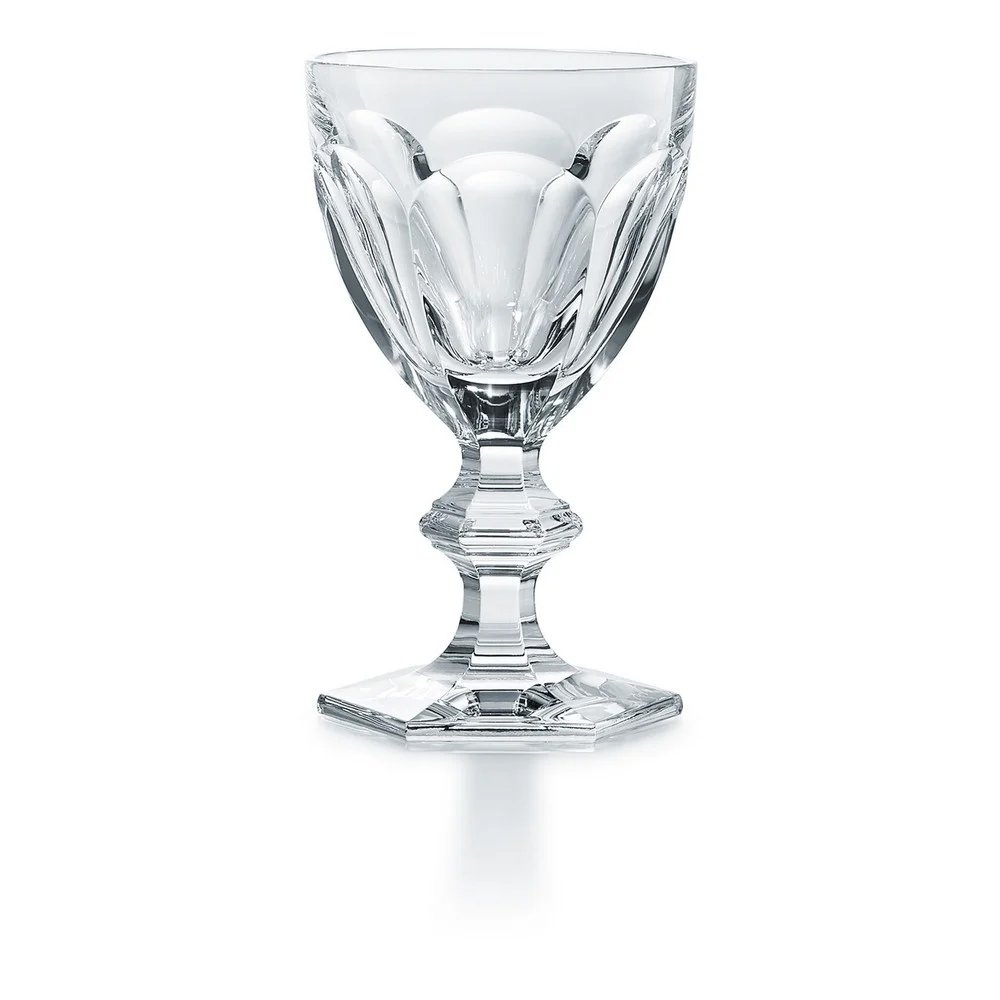
Sillery was on the royal table long before the champagne flute existed. It was wine first — still wine of one village, poured for the French court and the English nobility from crystal. We continue that tradition: Sillery is best poured in cut crystal.
Sillery in Master and Commander
Anthony Boyle discovered Sillery in the twenty historically based novels by Patrick O’Brian — the Aubrey–Maturin series, made famous on screen by Russell Crowe. In those pages, at the tables of the Royal Navy, an officer offers a glass of Sillery.
Thus began a voyage of curiosity. It led to the only récoltant-manipulant producing pure Sillery Grand Cru Champagne — and now, to Australia.